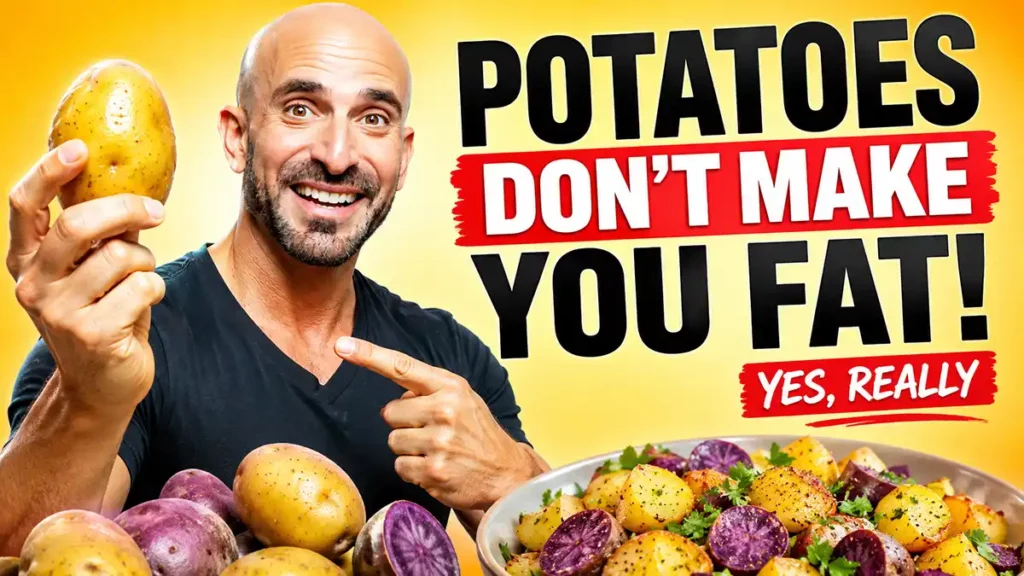
Potatoes do not make you fat.
Yes, I said it.
And as a Peruvian registered dietitian, I have been waiting for years to say this with my whole chest.
When I moved to the United States and heard people say, “I can’t eat potatoes; they make you gain weight,” I remember thinking, What?
In Peru, potatoes are not diet food. They are not cheat food. Potatoes are culture. They are history. They are comfort. They are part of who we are.
In the Andes, there are thousands of varieties of potatoes — yellow potatoes, purple potatoes, tiny potatoes, creamy potatoes, waxy potatoes — potatoes with flavors, colors, and textures many people have never experienced.
At first, when I heard people afraid of potatoes, I laughed. But later, when I understood why people were afraid of them, I got mad.
Because this was not really about potatoes. This was about diet culture taking a beautiful, nourishing food and turning it into a villain.
And honestly, this is one of the reasons I became a dietitian. Because I wanted people to stop fearing food and start understanding food.
So let’s talk about the truth: potatoes can absolutely fit into a smart weight loss plan when you know how to use them.
Are Potatoes Bad for Weight Loss?
No, potatoes are not automatically bad for weight loss.
The real question is not, “Are potatoes good or bad?” The better question is: How are you eating the potato?
A boiled potato is not the same as French fries. A baked potato is not the same as mashed potatoes loaded with butter and cream.
A moderate portion of potatoes paired with lean protein, vegetables, and a flavorful sauce is not the same as eating potato chips from the bag while watching TV. Context matters.
Potatoes are naturally low in fat and provide carbohydrates for energy, potassium, vitamin C, and fiber when eaten with the skin. The problem is not the potato itself. The problem is often the cooking method, toppings, portion size, and what the potato is paired with.
For example, a plain baked potato can be a satisfying, nutrient-rich food. But when that same potato is loaded with butter, bacon, sour cream, and cheese, the calories can climb quickly.
That does not mean potatoes are fattening. It means preparation matters.
Why Potatoes Can Help You Feel Full
One of the most powerful things about potatoes is satiety — meaning how full and satisfied a food makes you feel.
This matters for weight loss because hunger is one of the biggest reasons people struggle to stay consistent.
Many people try to lose weight by eating meals that are too small, too dry, too boring, and not satisfying. Then, two hours later, the hunger monster wakes up.
You start looking for a snack. Then something sweet. Then something crunchy. Then something salty. And then you tell yourself, “I have no willpower.”
But many times, it is not a willpower problem. It is a meal structure problem.
If your meals do not give you enough volume, protein, fiber, and satisfaction, your body is going to keep asking for food.
That is where potatoes can shine.
A well-known satiety study found that boiled potatoes ranked extremely high for fullness compared with many other common foods. That does not mean potatoes are magic, but it does show why a simple potato can feel so satisfying.
Potatoes provide volume. They feel substantial. They help a meal feel like a real meal.
And for many people, that is exactly what makes weight loss more sustainable.
Because let’s be honest: tiny salads do not work for everyone. You cannot expect people to live on lettuce, grilled chicken, and sadness.
We need meals that feel warm, satisfying, flavorful, and real.
What Is Resistant Starch in Potatoes?
Resistant starch is one of the reasons potatoes are so interesting from a nutrition perspective.
When you cook potatoes and then cool them, some of the starch changes structure and becomes resistant starch.
Resistant starch acts more like fiber because your body does not fully digest it in the small intestine. Instead, it travels to the large intestine, where it can feed beneficial gut bacteria.
This may support gut health, fullness, and in some cases, a better blood sugar response.
But let me be very clear. This does not mean potatoes are magic. This does not mean unlimited potato salad.
Calories still matter. Portions still matter. What you pair the potato with still matters.
But resistant starch is one more reason we should stop treating potatoes like nutritional garbage. They are not.
A smart example would be cooked and cooled potatoes in a balanced potato salad made with Greek yogurt, herbs, vegetables, and protein.
That is very different from a heavy potato salad drowning in mayonnaise. That is not diet culture. That is smart nutrition.
What About Potatoes and Blood Sugar?
Some people worry about potatoes and blood sugar. That is fair, especially for people with prediabetes, diabetes, or insulin resistance.
But your blood sugar response does not depend only on one food. It depends on the whole meal.
A large plain potato by itself may affect your blood sugar differently than a moderate portion of potatoes served with chicken, salmon, beans, eggs, Greek yogurt sauce, avocado, olive oil, and vegetables.
Protein slows digestion. Fat can slow digestion. Fiber slows digestion. Meal composition matters.
So instead of asking, “Are potatoes good or bad for blood sugar?” ask a better question: How am I building the meal?
A potato with lean protein, vegetables, and a flavorful sauce can be a very balanced meal. That is the difference between fear and strategy.
The Real Problem Is What We Do to the Potato
Most people are not gaining weight from a plain potato.
The problem is usually what we do to the potato.
French fries cooked in a lot of oil are very different from boiled or roasted potatoes.
A loaded baked potato with butter, bacon, sour cream, and cheese is very different from a baked potato topped with Greek yogurt, herbs, salsa, beans, or grilled chicken.
That is where the calories can climb quickly.
So when someone says, “Potatoes make you fat,” I want you to ask: Are we talking about the potato — or are we talking about what you did to the potato?
Because those are two very different things.
How to Eat Potatoes for Weight Loss
Here is the simple formula I teach my clients:
Potato + protein + vegetables + flavor
That is it.
This formula helps you build a meal that is filling, balanced, and enjoyable.
1. Choose a smart cooking method
- Boiled potatoes
- Roasted potatoes
- Baked potatoes
- Air-fried potatoes
- Cooked and cooled potatoes for potato salad
Try to use cooking methods that give you flavor and texture without relying on deep frying or excessive added fat.
2. Control the portion
- For many people, a reasonable starting point is about one medium potato or about one cup of cooked potatoes as part of a balanced meal. Some people may need more. Some may need less. Your portion depends on your calorie needs, activity level, goals, and the rest of your meal.
3. Pair potatoes with protein
Protein is essential during weight loss because it supports fullness and helps preserve lean muscle.
- Chicken
- Fish
- Eggs
- Greek yogurt
- Cottage cheese
- Beans
- Turkey
- Lean beef
- Tofu
4. Add vegetables for volume and fiber
- Broccoli
- Spinach
- Peppers
- Tomatoes
- Onions
- Zucchini
- Cabbage
- Cucumbers
- Salad greens
Vegetables help increase the volume of the meal without adding many calories.
5. Add flavor so the meal is satisfying
- Garlic
- Lime
- Vinegar
- Herbs
- Spices
- Aji amarillo
- Salsa criolla
- Greek yogurt sauce
- Olive oil in controlled portions
Healthy eating should never mean bland eating. Flavor is what makes a healthy meal sustainable.
Healthy Potato Recipes That Fit Weight Loss
Here are a few examples from my own kitchen and blog that show how potatoes can fit into a healthy weight loss plan.
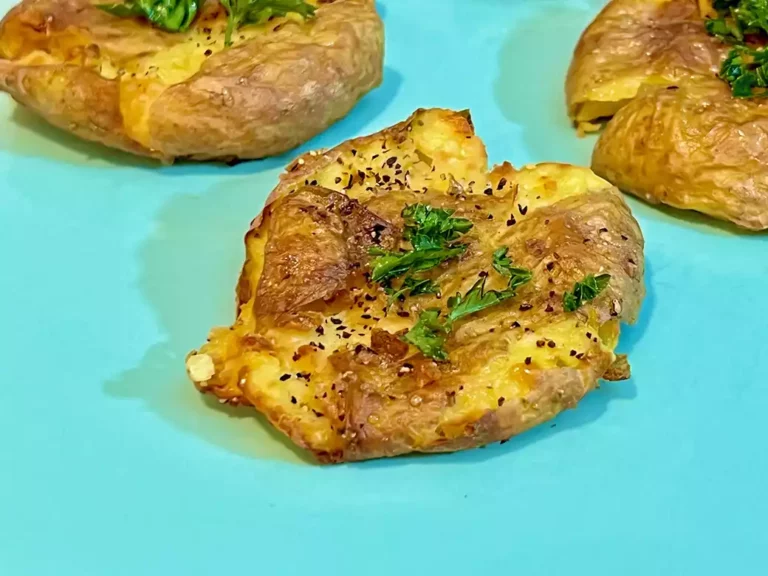
Yellow Air Fryer Smashed Potatoes
These are crispy, golden, satisfying, and delicious without being deep-fried in a lot of oil. They give you that comfort-food texture while keeping the cooking method lighter. This is exactly why I say: do not blame the potato. Look at what you do to the potato.
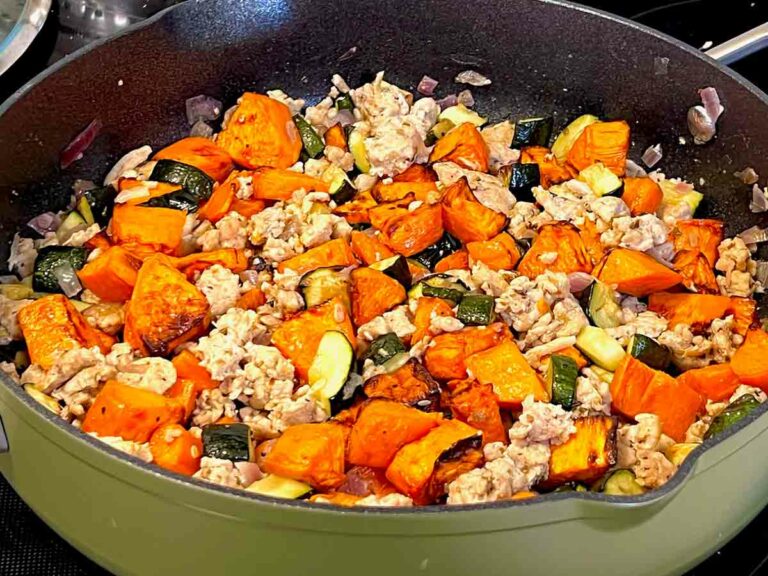
Ground Chicken and Sweet Potato Skillet
This is a complete balanced meal: sweet potatoes for satisfying carbohydrates, ground chicken for protein, and vegetables for fiber and volume. That combination helps you feel full, supports muscle preservation during weight loss, and helps prevent that deprived feeling that makes people quit.
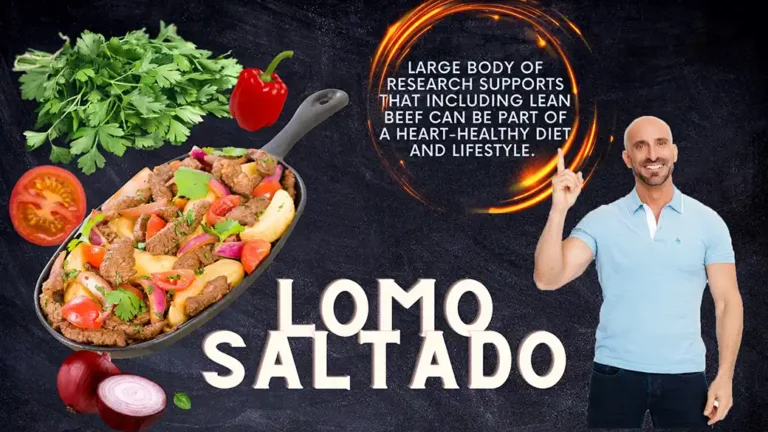
Lomo Saltado
As a Peruvian dietitian, I have to talk about Lomo Saltado. Traditionally, Lomo Saltado is served with potatoes or fries and rice. Some people look at that and say, “Too many carbs.” But again, we need to stop using fear and start using strategy. Can we use lean beef? Yes. Can we add vegetables? Yes. Can we control the portion of potatoes? Yes. Can we make it flavorful with vinegar, garlic, cumin, aji, and fresh herbs? Absolutely. That is not a bad meal. That is a balanced meal when you build it with intention.
Do Potatoes Make You Gain Weight?
Potatoes do not make you gain weight by themselves.
Eating more calories than your body needs over time can lead to weight gain.
Eating potatoes deep-fried, oversized, or loaded with high-calorie toppings can make it easier to overconsume calories.
But potatoes prepared in a smart way — boiled, roasted, baked, air-fried, paired with protein and vegetables — can absolutely be part of a healthy weight loss plan.
They can help you feel full. They can help you enjoy your meals. They can help you stop feeling deprived.
And for many people, that is exactly what makes weight loss sustainable.
Final Takeaway: Stop Fearing Potatoes
Potatoes are not the enemy. Fear is the enemy. Confusion is the enemy. Diet culture is the enemy.
You do not need to fear potatoes. You need to understand how to use them.
Build the meal with intention. Pair your potatoes with protein. Add vegetables. Use flavor. Control the portion. Enjoy your food.
That is how we stop dieting and start living.
And yes — you can still eat potatoes.
Get More Tailored Advice
If you are tired of fearing food and ready to lose weight while still enjoying real meals with flavor, culture, and satisfaction, I invite you to book a free 20-minute discovery call.
My mission is simple:
Stop Dieting. Start Living.
And if this article helped you, share it with someone who still thinks potatoes make you fat.