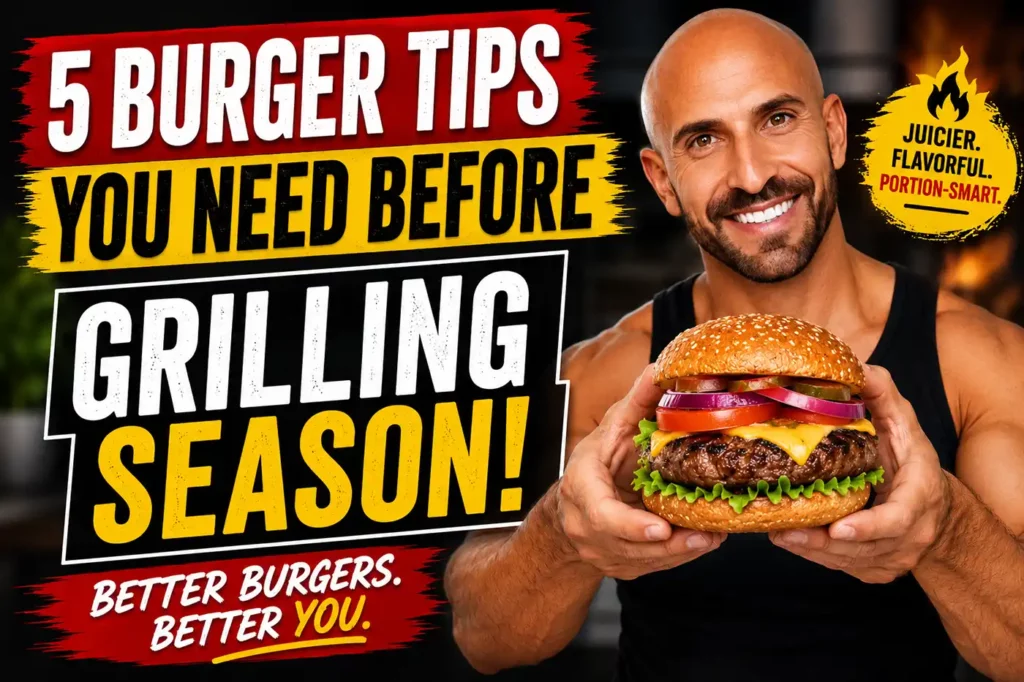
Memorial Day weekend is basically the unofficial start of grilling season, and that means one thing: burgers are back.
And let me say this clearly: burgers can absolutely belong in a healthy lifestyle. I know that may surprise some people coming from a registered dietitian, but healthy eating is not about removing every food you love. It is about learning how to make your meals flavorful, satisfying, balanced, and portion-smart.
A burger does not have to be a giant restaurant-style calorie bomb to be delicious. It also does not have to be dry, boring, or “diet food.” With a few simple cooking tricks, you can make a burger that is juicy, flavorful, satisfying, and still fits into a realistic weight-loss or wellness plan.
So before you throw those patties on the grill this weekend, here are five burger tricks you need to know.
1. Start with the Right Portion
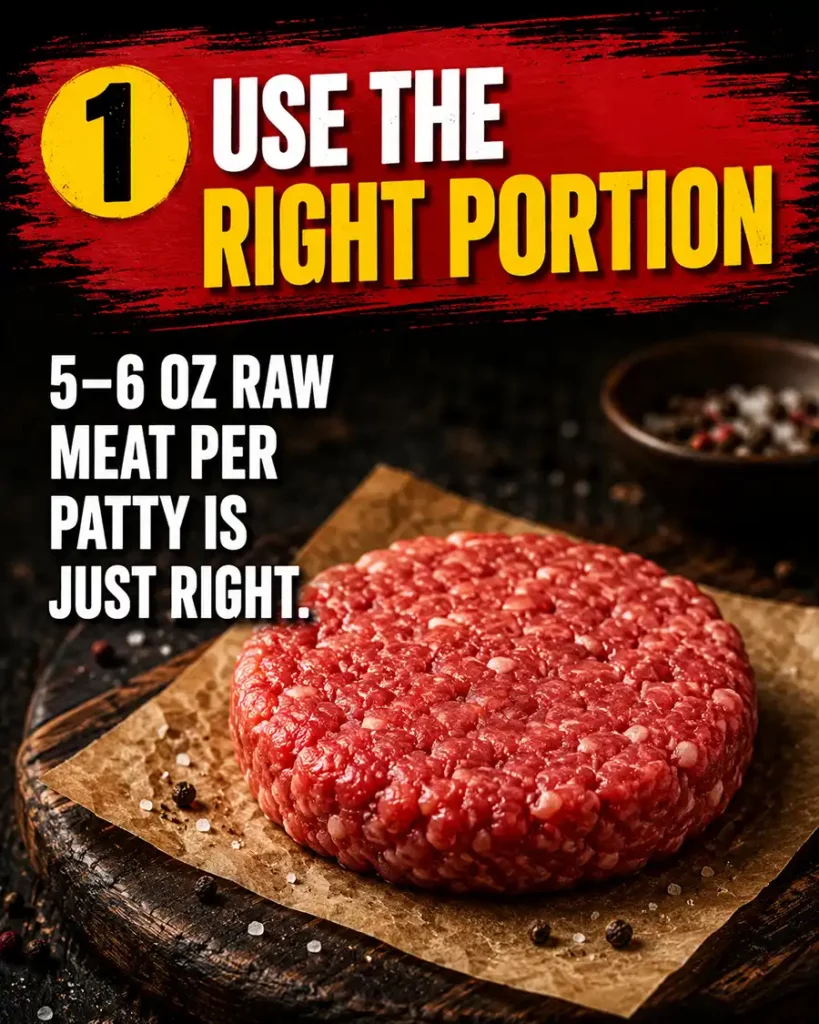
One of the easiest ways to make burgers more balanced is to start with a smart portion of meat.
For most people, a 5- to 6-ounce raw patty is a great target. It feels satisfying, cooks well, and gives you a hearty burger without turning it into an oversized restaurant portion. In my own Spiced Latino Burger Patties recipe, I use four 5½-ounce patties and recommend lean ground beef, ideally 93% lean or no more than 90/10, to help control calories and fat while keeping the burger satisfying.
This is where the nutrition strategy matters. If you start with an enormous patty, then add cheese, mayo, bacon, a large bun, and sides, the meal can quickly become much more than your body needs. But when you start with a portion-smart patty, you leave room for the rest of the plate: vegetables, a flavorful topping, maybe a whole-grain bun, and a side that supports your goals.
That is not restriction. That is balance.
2. Use the Thumbprint Trick
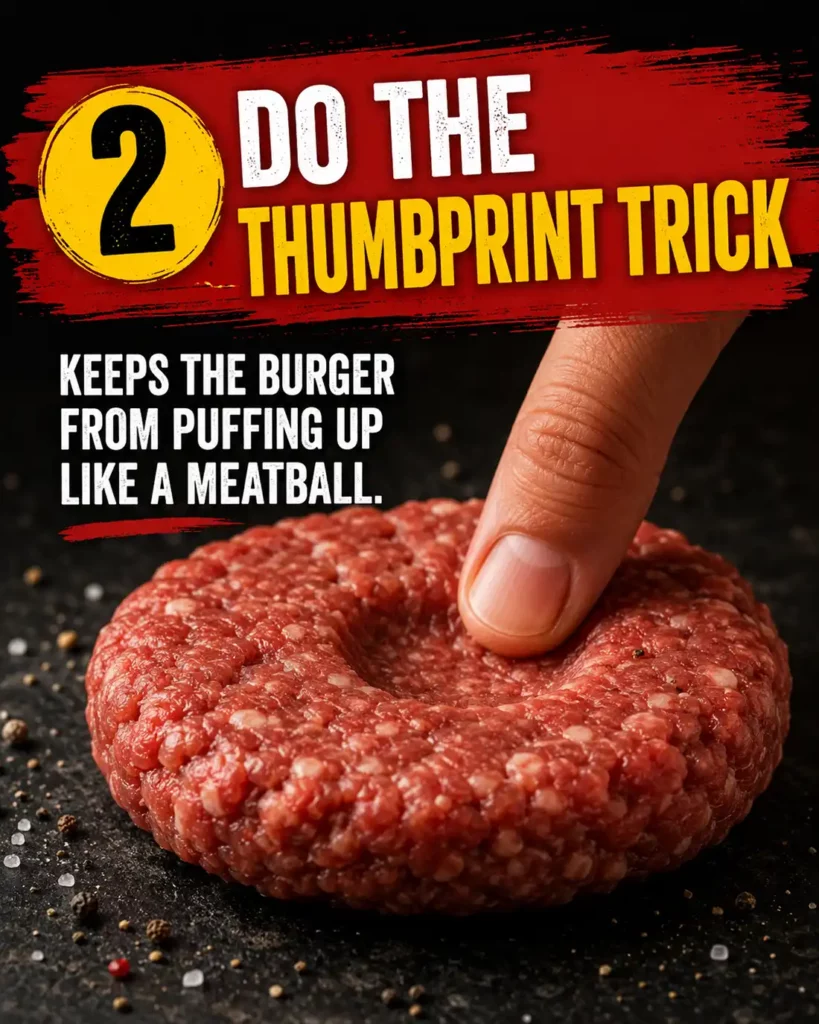
This one is simple, but it makes a big difference.
Before cooking, press your thumb gently into the center of each raw burger patty to make a shallow indentation. This is called the thumbprint trick, and it helps prevent the burger from puffing up in the middle like a meatball.
Why does this happen? As the burger cooks, the proteins tighten and the patty can shrink toward the center. Without that little indentation, the burger may dome upward, making it harder to cook evenly and harder to stack with toppings.
The thumbprint helps the burger stay flatter, which means better contact with the grill, better browning, and a better burger experience.
Small trick. Big payoff.
3. Handle the Meat Gently
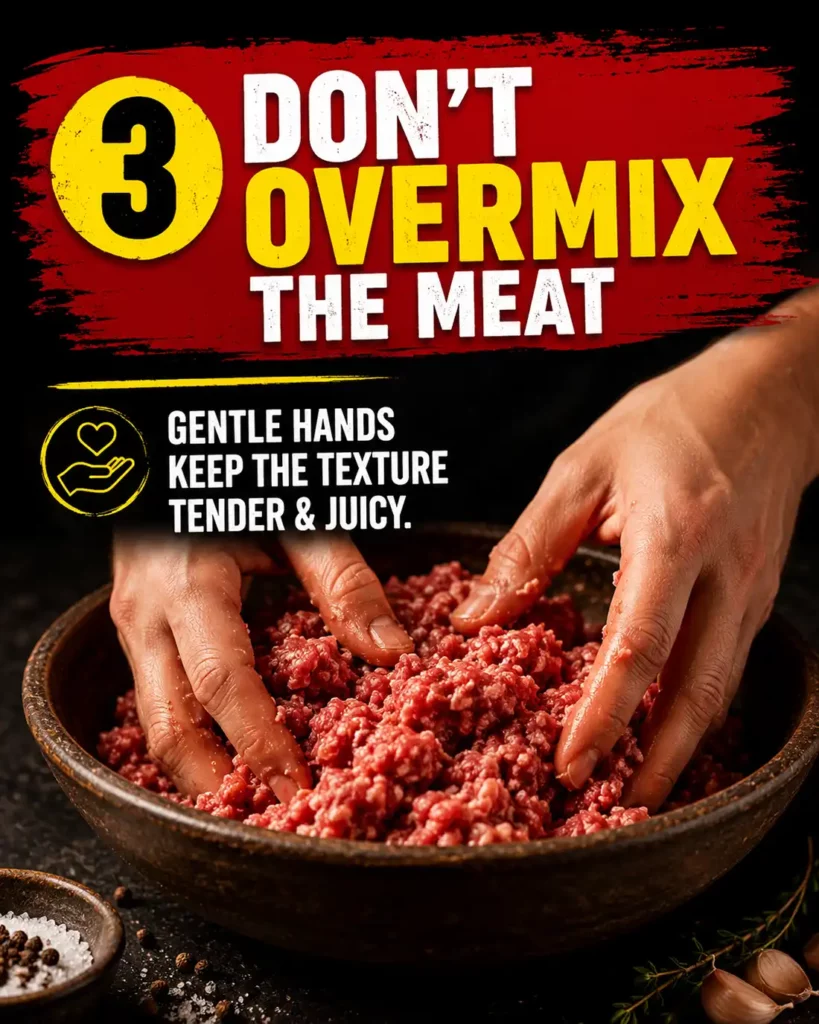
If you want a tender burger, do not manhandle the meat.
Overmixing ground beef can make the final burger dense, tough, and chewy. Think gentle hands, not a workout. You want to mix the ingredients just enough so everything is evenly combined, but you do not want to knead the meat like bread dough.
Use your hands lightly. Shape the patties without packing them too tightly. A good burger should hold together, but it should still feel tender when you bite into it.
In other words: treat your burger with love — not pressure.
4. Season the Outside for Big Flavor
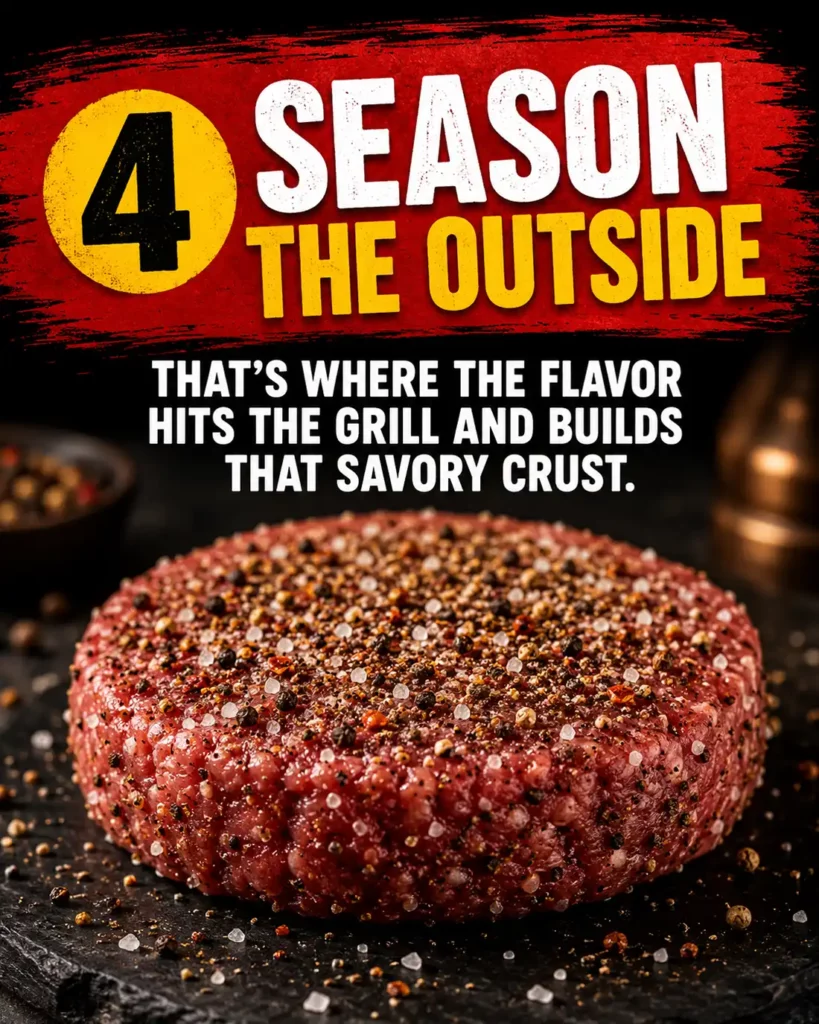
A common mistake people make is under-seasoning the burger or only mixing seasoning inside the meat.
Here is the secret: the outside of the burger is where the magic happens. That is the part that touches the hot grill or indoor grill surface. That is where you build browning, aroma, and that savory crust that makes a burger taste like a burger.
Season the outside of the patty right before cooking with salt, pepper, garlic powder, smoked paprika, or your favorite spice blend. If you want a Latino twist, add cumin, lime, cilantro, jalapeño, or ají-inspired flavors.
Flavor is not the enemy of weight loss. In fact, flavor helps you feel satisfied. When food tastes good, you do not feel like you are being punished by your healthy choices.
5. Do Not Press the Burger
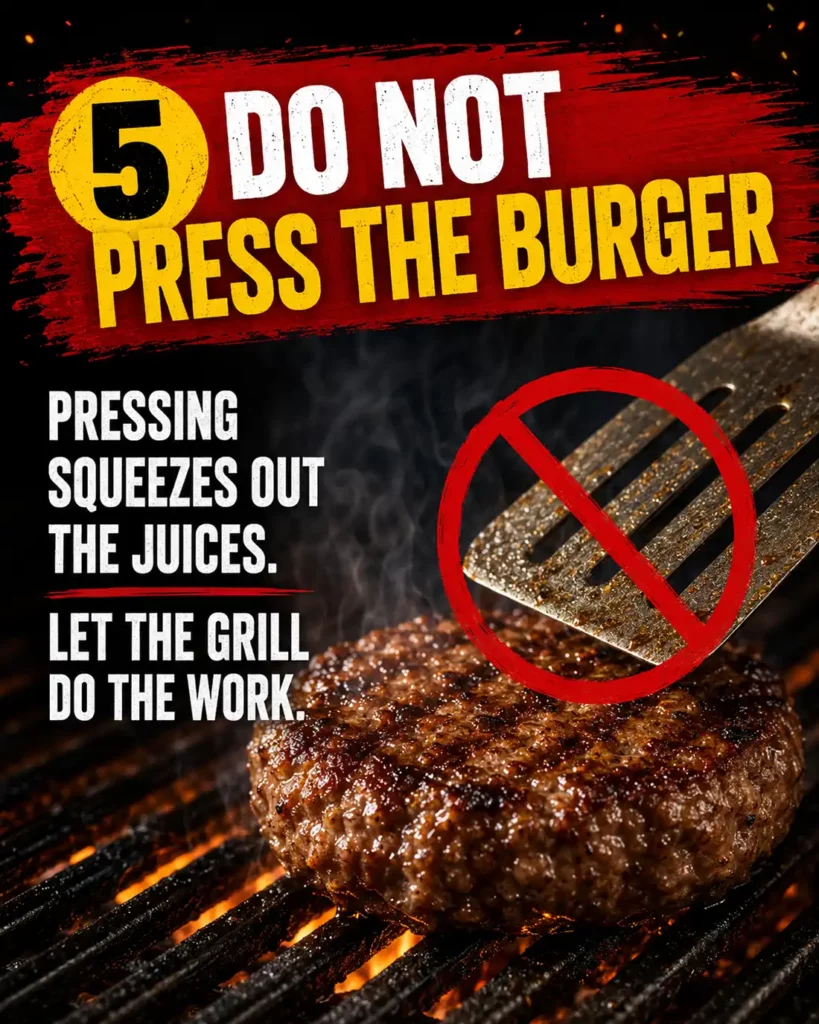
This is the one that breaks my heart a little.
Please do not press the burger down with your spatula while it cooks.
I know it feels tempting. You hear the sizzle, you see the juices, and it feels like you are helping the burger cook faster. But what you are really doing is squeezing out moisture and flavor.
Let the grill do the work. Put the burger down, let it sear, flip it once, and leave it alone. The less you mess with it, the better the texture and juiciness.
For food safety, ground beef should be cooked to an internal temperature of 160°F as measured with a food thermometer, according to USDA guidance. Ground poultry, such as turkey or chicken burgers, should reach 165°F according to USDA ground beef safety guidance.
And remember, color is not enough to know if a burger is fully cooked. A thermometer is the safest and most accurate tool.
Bonus: Build a Better Burger Plate
A better burger is not just about the patty. It is about the whole plate.
Here are simple ways to make your burger meal more balanced:
- Choose a bun that works for your goals. A whole-grain bun can add more fiber, but if you truly love a classic bun, that can fit too. Just be mindful of size.
- Add vegetables generously. Lettuce, tomato, onion, grilled peppers, mushrooms, arugula, avocado, or pickled vegetables can add flavor, texture, color, and nutrition.
- Be strategic with toppings. Cheese, mayo, aioli, and bacon can all add up quickly. You do not have to avoid them completely, but choose the ones that bring you the most satisfaction.
- Balance the side. Instead of automatically serving burgers with chips or fries, try roasted vegetables, grilled corn, a bean salad, fruit salad, or air-fried sweet potato wedges.
Think about the plate, not just the burger. USDA’s MyPlate framework encourages meals built with fruits, vegetables, grains, protein foods, and dairy or calcium-rich options, which is a helpful reminder that a burger can be part of a larger balanced meal.
Indoor Grill? Same Rules Apply
No outdoor grill? No problem.
An indoor electric grill, grill pan, or skillet can still give you a delicious burger. Preheat the surface, avoid overcrowding, and let the burger cook without pressing it down. If your indoor grill has a lid or top plate, cooking time may be shorter, so use a thermometer instead of guessing.
The biggest indoor grill mistake is cooking at too low of a temperature. You want enough heat to create browning, but not so much that the outside burns before the center is cooked. Medium-high heat usually works well for beef burgers, but the exact setting depends on your grill.
Again, the thermometer wins.
A Quick Food Safety Reminder for Cookouts
Because Memorial Day and summer cookouts often mean food sitting outside, it is worth saying this: keep cooked burgers hot until serving, ideally at 140°F or warmer, and refrigerate leftovers within two hours — or within one hour if the temperature is above 90°F. USDA also advises not to partially grill meat and finish cooking it later.
This matters because food safety is part of healthy eating too.
Final Thoughts
A better burger is not about making it boring. It is about making it delicious, satisfying, and balanced.
Use the right portion. Make the thumbprint. Do not overmix. Season the outside. Do not press the burger. Then build the rest of the plate with color, texture, and smart sides.
That is how you enjoy the cookout without feeling like you are starting over on Monday.
Healthy eating should include joy, flavor, culture, and real life. And yes, that can include a burger.
Call to Action
If you are ready to lose weight without giving up the foods you love, I invite you to book a free 20-minute discovery call. Together, we can talk about your health goals and see if my virtual one-on-one nutrition coaching program is the right fit for you.
Stop dieting. Start living.