If you have ever said, “I cannot lose weight because my metabolism is slow,” this article is for you.
After more than 22 years of helping people lose weight and keep it off, I can tell you that one of the most common reasons people come to see me is because they want me to help them “fix” their metabolism.
They tell me things like: “I barely eat, but I still gain weight.” “I used to lose weight so easily, and now nothing works.” “I think my metabolism is broken.”
And I understand why people feel that way. When you are eating less, skipping meals, cutting carbs, trying to be “good,” and the scale still does not move, it feels frustrating. It feels unfair. It can feel like your body is working against you.
But here is what I want you to know: your metabolism is probably not broken. Your body may simply not be getting the right signals to lose fat, preserve muscle, manage hunger, and feel safe enough to respond. That is the real conversation we need to have.
What Is Metabolism, Really?
Most people think metabolism means how fast or slow the body burns calories. That is part of it, but metabolism is much more than that.
Your body needs energy to breathe, circulate blood, digest food, regulate temperature, repair tissue, support your brain, and keep your muscles working. So when someone says, “My metabolism is slow,” the better question is: what part of your metabolism are we talking about?
Your total daily energy use is made up of several pieces:
- The largest part is your resting metabolic rate, which is the energy your body uses just to keep you alive.
- Then there is the energy used to digest food, also called the thermic effect of food.
- Finally, there is the energy you use through physical activity, including both exercise and the movement you do throughout the day.
That daily movement matters. Walking, cooking, cleaning, standing, running errands, taking the stairs, and even fidgeting can all add up over time.
This is why metabolism is not just one switch that is either “fast” or “slow.” It is a system that responds to your muscle mass, food intake, movement, sleep, stress, hormones, and long-term habits.
Myth #1: “My Metabolism Is Broken”
Many people believe their metabolism is broken because they feel like they are barely eating and still not losing weight. But when we look deeper, many times I do not see a broken metabolism. I see an underfed body during the day and an overwhelmed appetite at night.
I see very little protein. Very little fiber. Long gaps without meals. Poor sleep. High stress. No strength training. And often, years of dieting.
The body does not know you are trying to fit into an outfit, lower your body fat, or prepare for a vacation. Your body only knows the signals you are giving it. If energy is inconsistent, protein is low, muscle is not being protected, stress is high, and sleep is poor, your body may respond by conserving energy and increasing hunger.
That is not failure. That is physiology.
Your body is not trying to punish you. Your body is trying to protect you. So instead of asking, “How do I fix my metabolism?” ask this: am I giving my metabolism the right signals?
Myth #2: “Eating Less Always Fixes It”
Yes, a calorie deficit matters for fat loss. We cannot ignore that. But the problem is that many people take it too far. They skip meals, remove entire food groups, eat tiny portions, and try to survive on willpower.
At first, that may seem to work. But eventually hunger increases, cravings increase, energy drops, workouts suffer, and the plan becomes impossible to maintain.
This is why I always say: the goal is not to eat as little as possible. The goal is to eat in a way that allows you to lose fat while preserving muscle, controlling hunger, and living your life.
If your weight loss plan makes you miserable, hungry, tired, and obsessed with food, it is not a metabolism solution. It is a setup.
This is where protein and fiber become so important. Protein helps support fullness and preserve muscle during weight loss. Fiber helps increase meal volume, support gut health, and promote satiety. Together, they make weight loss more realistic because they help you feel satisfied instead of deprived.
This is also why high-fiber foods are so powerful for weight loss. Foods like beans, lentils, vegetables, berries, oats, chia seeds, avocado, and whole grains can help meals feel bigger and more satisfying without requiring extreme restriction.
Myth #3: “Aging Destroys Your Metabolism”
Many people say, “Once you turn 40, your metabolism just crashes.” Weight loss can become harder as we get older, but it is not simply because a birthday happened.
A lot of what people call age-related metabolism slowdown is connected to changes in body composition and lifestyle. Over time, many adults lose muscle if they do not actively protect it. They may sit more, move less, sleep less, experience more stress, and rely on habits that no longer support their current body.
So yes, your body changes with age. But that does not mean you are doomed. It means your strategy has to mature.
When you were younger, maybe you could skip meals, eat low protein, sleep five hours, do random workouts, and still see results. Later in life, your body becomes less forgiving – not because it is broken, but because it needs more consistency.
It needs protein at meals. It needs strength training. It needs fiber-rich foods. It needs movement throughout the day. It needs sleep. It needs a sustainable rhythm.
And that is actually empowering because these are things you can influence. You cannot go back to being 25. But you can build muscle, improve your meal structure, increase daily movement, and stop dieting in ways that work against your body.
What Actually Slows Metabolism Down?
Several factors can make your metabolism feel slower or make weight loss more difficult.
One major factor is loss of muscle. Muscle is important for long-term weight management because it is metabolically active tissue. That is why weight loss should not only focus on the number on the scale. The goal is fat loss while preserving muscle.
Repeated extreme dieting can also make weight loss harder. When you repeatedly eat too little, your body adapts. You may unconsciously move less, feel more tired, and experience stronger hunger signals.
Low daily movement is another missing piece. You can complete a workout and still sit for most of the day. For many people, movement outside the gym is one of the most overlooked parts of weight management.
Sleep matters too. Poor sleep can affect appetite regulation, cravings, energy, and food choices. Research has connected sleep and appetite regulation through hormones such as leptin and ghrelin, which is why sleep cannot be treated as optional in a weight loss plan.
Stress also plays a role. Stress does not magically create fat out of nothing, but chronic stress can affect appetite, cravings, sleep, energy, and consistency.
And finally, low protein and low fiber meals can leave you hungry sooner, making it harder to stay in a calorie deficit without feeling deprived. So again, this is not about blaming you. This is about understanding your biology.
How to Support Your Metabolism for Weight Loss
The goal is not to “shock” your metabolism. The goal is to support it.
Start with protein. For most people trying to lose fat, protein at each meal helps support fullness and preserve muscle.
Then add fiber-rich foods daily. Vegetables, beans, lentils, berries, oats, chia seeds, avocado, and whole grains can help you feel fuller and make your meals more satisfying.
Strength training is also important, especially as we age. The National Institute on Aging highlights strength training as one way to support healthier bodies with age, and for weight loss, it is one of the best tools we have to help protect muscle.
Daily movement matters too. Walk after meals, take the stairs, cook, clean, stand more, run errands, and look for small ways to move throughout the day. These small actions may not feel dramatic, but they are powerful when repeated consistently.
And if skipping meals leads you to overeat later, it may not be the best strategy for you. Some people do well with fewer meals, but many people skip breakfast, under-eat at lunch, and then feel out of control at night.
That is not lack of discipline. That is your hunger hormones doing their job.
Instead of asking, “How little can I eat?” ask, “How can I eat in a way that keeps me full, energized, and consistent?” That is a much better question.
What a Metabolism-Supporting Meal Looks Like
A metabolism-supporting meal does not have to be boring. It should include protein, fiber, color, and flavor.
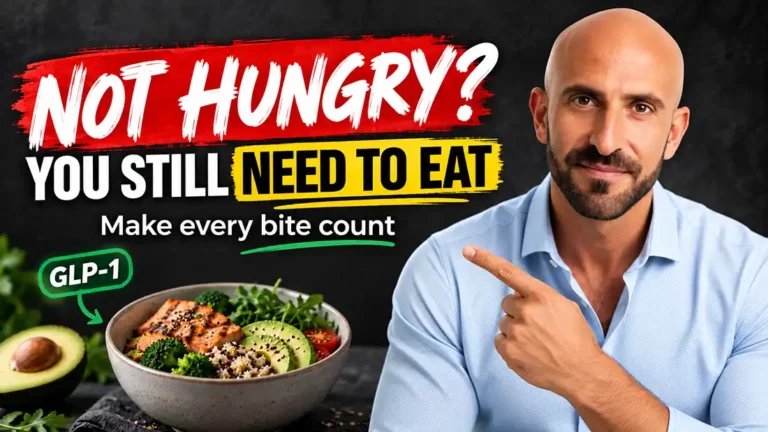
Think of a bowl with grilled chicken or salmon, black beans, roasted vegetables, avocado, and a high-fiber grain like farro or quinoa. That meal gives you protein to support muscle, fiber to help with fullness, healthy fats to make the meal satisfying, and flavor to make it enjoyable.
Because if the food does not taste good, you are not going to keep eating it. This is why I always bring food back to culture, pleasure, and real life. Your metabolism does not need punishment. It needs nourishment.
You do not need to live on lettuce, protein shakes, and guilt. You need meals that are balanced, delicious, high in protein, high in fiber, and built in a way that helps you stay full for hours. That is how we work with the body – not against it.
The Bottom Line
So, is slow metabolism real? Yes, metabolism can change. But for most people, the real issue is not that their metabolism is broken. The real issue is that their current strategy is not supporting their metabolism.
Before you blame your body, ask yourself: am I eating enough protein? Am I eating enough fiber? Am I preserving muscle? Am I moving during the day? Am I sleeping enough? Am I managing stress? Am I eating in a way that controls hunger, or am I just trying to survive on willpower?
Your body is not broken. Your metabolism is not your enemy. Your body is always responding to the signals you give it. So let us give it better signals.
You do not need a perfect diet. You need a strategy that supports your body, protects your muscle, manages your hunger, and fits your real life.
And remember: Stop dieting, start living.